
A clear, high-yield refresher for pub quizzes, exams, and general knowledge
If Nobel Prize questions keep catching you out, this guide is designed to sort that quickly. It focuses on firsts, dates, locations, selectors, and classic quiz traps – exactly the areas question-setters like to test.
Core Nobel Prize Overview
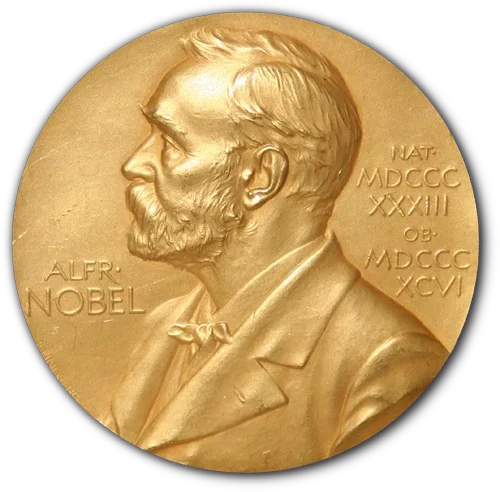
Alfred Nobel: the man behind the prizes
Alfred Nobel (born 1833, died 1896)
Inventor of dynamite and holder of 350+ patents
When his brother died, a newspaper mistakenly ran Alfred’s obituary, calling him “the merchant of death”
Concerned about how he would be remembered, Nobel rewrote his will to fund prizes for those who “conferred the greatest benefit to humankind”
Quiz trap: Nobel did not create the prizes during his lifetime – they exist solely because of his will
When did the prizes begin?
Nobel’s will signed: 1895
Nobel died: 1896
First prizes awarded: 1901
Delay reason: legal disputes and the need to set up the Nobel Foundation
High-yield fact: The prizes did not start immediately after Nobel’s death
Original categories vs later addition
Original five Nobel Prizes (1901):
Physics
Chemistry
Physiology or Medicine
Literature
Peace
Later addition:
Economic Sciences
Created 1968
First awarded 1969
Funded by Sweden’s central bank
Official name includes “in Memory of Alfred Nobel”
Quiz trap: Economics is not one of the original Nobel Prizes
Why the Peace Prize Is Different
Why Oslo?
At the time of Nobel’s death, Sweden and Norway were in a political union
Nobel specified that the Peace Prize should be decided by a Norwegian committee
As a result, it is awarded in Oslo, not Stockholm
Who decides?
Norwegian Nobel Committee
Appointed by the Norwegian parliament
The contrast
Peace: Oslo
All others: Stockholm
Pub quiz favourite: “Which Nobel Prize is not awarded in Stockholm?”
Prize Categories Explained
Physics
Recognises: Discoveries in physical science
Awarded in: Stockholm
Selected by: Royal Swedish Academy of Sciences
First winner (1901): Wilhelm Röntgen (X-rays)
High-value facts
Often awarded many years after the discovery
Can be withheld if no discovery meets the standard
Common traps
Not for inventions alone – the emphasis is on discovery
Chemistry
Recognises: Chemical discoveries, processes, or methods
Awarded in: Stockholm
Selected by: Royal Swedish Academy of Sciences
First winner: Jacobus van ’t Hoff
High-value facts
Can include work overlapping physics or biology
Frequently linked to major industrial or materials breakthroughs
Common traps
Not limited to traditional laboratory chemistry
Physiology or Medicine
Recognises: Discoveries that improve understanding of life and disease
Awarded in: Stockholm
Selected by: Karolinska Institute
First winner: Emil von Behring (diphtheria antitoxin)
High-value facts
Awards often come long after the medical impact is proven
Not awarded during some wartime periods
Common traps
Not given for routine clinical practice
Literature
Recognises: An author’s overall literary contribution
Awarded in: Stockholm
Selected by: Swedish Academy
First winner: Sully Prudhomme
High-value facts
Awarded for a body of work, not a single book
Includes poets, playwrights, and novelists
Common traps
Many famous writers never won (for example Tolstoy or Joyce)
Peace
Recognises: Efforts to promote peace, diplomacy, or human rights
Awarded in: Oslo
Selected by: Norwegian Nobel Committee
First winners: Frédéric Passy and Henry Dunant (founder of the Red Cross)
High-value facts
Can be awarded to individuals or organisations
Sometimes not awarded at all
Common traps
Not always politically neutral or universally popular
Economic Sciences
Recognises: Contributions to economic theory and practice
Awarded in: Stockholm
Selected by: Royal Swedish Academy of Sciences
First winners (1969): Ragnar Frisch and Jan Tinbergen
High-value facts
Youngest Nobel category
Not funded by Nobel’s original estate
Common traps
Not included in Nobel’s will
Key People, Records & Oddities
Age records
Youngest ever: Malala Yousafzai (Peace Prize, aged 17)
Oldest winner: Leonid Hurwicz (Economic Sciences, aged 90)
Multiple-time winners
Marie Curie – won two Nobel Prizes (Physics and Chemistry)
Only person to win in two different scientific categories
Famous families
The Curie family has won five Nobel Prizes across generations
Refusals and forced declinations
Jean-Paul Sartre refused the Literature Prize
Some winners were forced to decline for political reasons
Quirky facts
The Peace Prize has been awarded to organisations such as the Red Cross
A prize can be shared by up to three people
Timeline of Major Nobel Moments
1895 – Nobel signs his will
1896 – Nobel dies
1901 – First Nobel Prizes awarded
1914–1918 – Some prizes withheld during the First World War
1939–1945 – Further gaps during the Second World War
1968 – Economics prize created
1969 – First Economics award
1974 – Posthumous awards largely prohibited
Quiz trap: Posthumous Nobel Prizes are now almost never allowed
High-Yield Pub Quiz Facts
The Peace Prize is awarded in Oslo
Economics is not an original Nobel Prize
The first prizes were awarded in 1901
Nobel was labelled the “merchant of death” in a mistaken obituary
Marie Curie won two different Nobel Prizes
A Nobel Prize does not have to be awarded every year
One-Page Cheat Sheet Summary
The Absolute Basics (Know These Cold)
ItemAnswer
Founder: Alfred Nobel
Nobel’s will signed: 1895
Nobel died: 1896
First prizes awarded: 1901
Original number of prizes: 5
Extra prize added later: Economic Sciences
Economics first awarded: 1969
Is Economics an original Nobel?: No
Categories, Locations & Who Decides
Physics – awarded in Stockholm – selected by the Royal Swedish Academy of Sciences – original Nobel Prize (1901)
Chemistry – awarded in Stockholm – selected by the Royal Swedish Academy of Sciences – original Nobel Prize (1901)
Physiology or Medicine – awarded in Stockholm – selected by the Karolinska Institute – original Nobel Prize (1901)
Literature – awarded in Stockholm – selected by the Swedish Academy – original Nobel Prize (1901)
Peace – awarded in Oslo – selected by the Norwegian Nobel Committee – original Nobel Prize (1901)
Economic Sciences – awarded in Stockholm – selected by the Royal Swedish Academy of Sciences – not an original Nobel Prize (first awarded 1969)
Golden rule:
If the question says Oslo, the answer is Peace Prize.
Prize Components (Often Asked)
Every Nobel Prize IncludesMedalDiplomaCash award
First Ever Winners (High Quiz Value)
Physics – first winner: Wilhelm Röntgen
Chemistry – first winner: Jacobus van ’t Hoff
Physiology or Medicine – first winner: Emil von Behring
Literature – first winner: Sully Prudhomme
Peace – first winners: Frédéric Passy and Henry Dunant
Economic Sciences – first winners: Ragnar Frisch and Jan Tinbergen
Records & Standout Facts
Youngest Nobel winner – Malala Yousafzai (17, Peace)
Oldest Nobel winner – Leonid Hurwicz (90, Economic Sciences)
Only person to win two different Nobel Prizes – Marie Curie
Family with the most Nobel Prizes – the Curie family (five in total)
Can Nobel Prizes be shared? – yes, by up to three people
Can Nobel Prizes be withheld? – yes
War & No-Award Rules
World War I and World War II – several Nobel Prizes were not awarded
No suitable candidate – the prize can be withheld
Posthumous awards – largely banned since 1974
It has not been awarded 19 times.
The Three Biggest Pub Quiz Traps
Economics is not an original Nobel Prize
The Peace Prize is awarded in Oslo, not Stockholm
Not every prize is awarded every year
20-Second Memory Lock
If you remember just this, you’ll beat most teams:
1895 will, 1901 first awards
Five original prizes
Peace = Oslo
Everything else = Stockholm
Economics came later